By the Central Mechanical Services LLC team
Licensed Phoenix mechanical contractor - AZ ROC #325571 & #325622
In this article (8 sections)
- 01The Baseline AC Replacement Cost in Phoenix, AZ
- 02When to Repair Versus Replace Your Air Conditioner
- 03Tonnage and Cooling Capacity Requirements
- 04SEER2 Ratings and Compressor Stages
- 05Ductwork and Installation Complexity
- 06How to Compare an Air Conditioner Replacement Estimate
- 07Frequently Asked Questions About Phoenix AC Replacement
- 08Get a Direct Quote for Your Home
The short version
- A standard residential AC replacement in the Valley usually ranges from $7,000 to $15,000 or more, depending on capacity, efficiency, and ductwork modifications.
- Phoenix homes run their air conditioners thousands of hours a year, making installation quality more critical to lifespan than the equipment brand.
- Moving from a basic single-stage compressor to a variable-speed system increases the upfront price but lowers monthly summer utility bills.
- A cheap quote often hides corners cut on sizing calculations, sheet metal transitions, or proper refrigerant charging.
- Air conditioning replacement requires pulling a permit and handling refrigerant, so the contractor you choose must hold a residential mechanical license in Arizona.
In this article (8 sections)
- The baseline AC replacement cost in Phoenix, AZ
- When to repair versus replace your air conditioner
- Tonnage and cooling capacity requirements
- SEER2 ratings and compressor stages
- Ductwork and installation complexity
- How to compare an air conditioner replacement estimate
- Frequently asked questions about Phoenix AC replacement
- Get a direct quote for your home
An air conditioner failure in the middle of a Valley summer forces a major financial decision under pressure. Understanding what drives ac replacement cost in Phoenix, AZ, protects you from overpaying or buying the wrong equipment. The price of a new system depends on the size of your house, the efficiency rating of the equipment, and the labor required to make it fit your existing ductwork. This guide explains how to read a quote, what factors change the final price, how to decide between fixing or replacing an old unit, and how to spot a contractor cutting corners. Central Mechanical Services LLC is a Phoenix mechanical contractor licensed under AZ ROC #325571 (CR-39 HVAC and Refrigeration) and AZ ROC #325622 (CR-37 Plumbing), holds a KB-1 Dual Building Contractor license, and is bonded and insured, with NATE certified and EPA 608 certified technicians handling residential and commercial cooling across the Valley.
The Baseline AC Replacement Cost in Phoenix, AZ
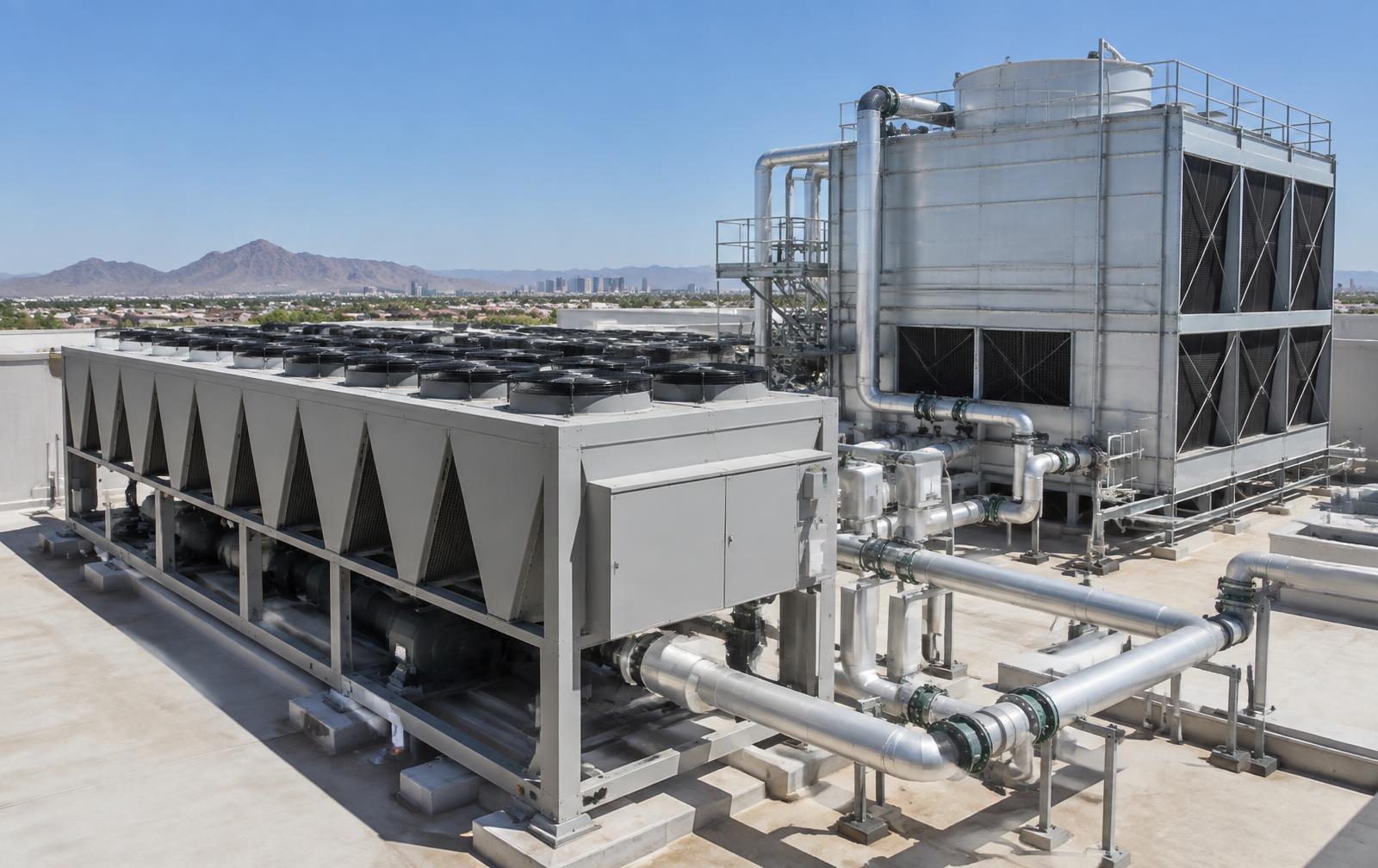
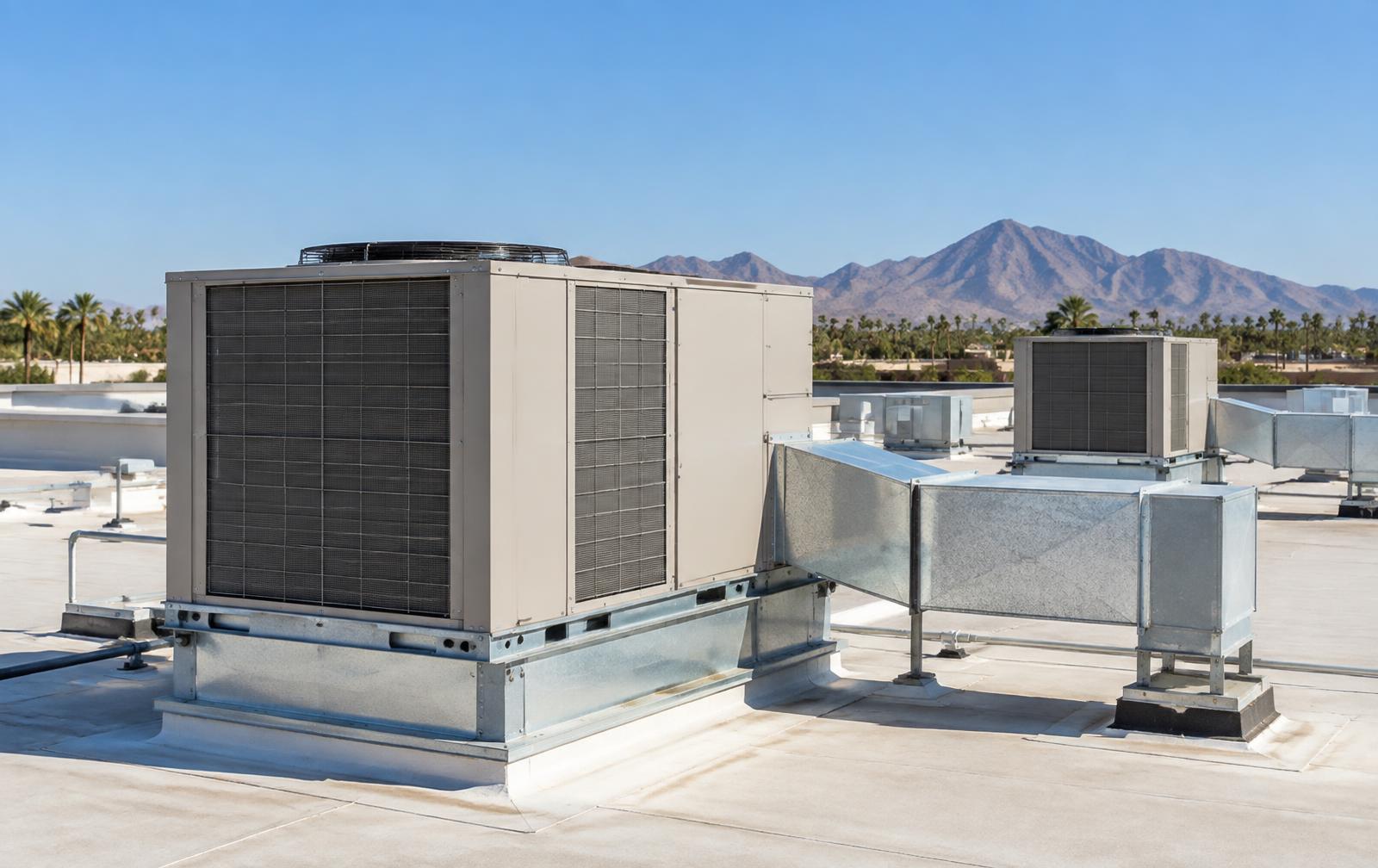
Most homeowners in the Phoenix metro area spend between $7,000 and $15,000 to replace a complete central air conditioning system. That range covers the condenser outside, the air handler or furnace inside, the thermostat, and the labor to install it. Packaged rooftop units sit in a similar price bracket but require different labor steps, like crane rental.
You will see outliers. Prices below $6,000 usually mean the contractor is installing unbranded equipment, skipping permits, or reusing old electrical disconnects and refrigerant lines. Prices above $18,000 usually involve high-end variable-speed systems, extensive ductwork replacement, or multiple zones. The final number you pay comes down to four primary variables: capacity, efficiency, installation labor, and the contractor's overhead.
When to Repair Versus Replace Your Air Conditioner
Before comparing replacement quotes, you have to decide if replacing the unit is actually necessary. Age is the first factor. If the system is under eight years old, fixing it is almost always the right move. If the unit is over 12 years old and requires a major repair, putting money into a failing system is a poor investment.
Compressor failures and major refrigerant leaks are the two most expensive repairs. Replacing a compressor out of warranty costs several thousand dollars. Finding and repairing a coil leak, then recharging the system with refrigerant, carries a similar price tag. If the repair cost exceeds 40 percent of the cost of a new system, replacement is the safer financial path. Frequent breakdowns that require multiple service calls every summer also indicate that a system is reaching the end of its useful life.
Tonnage and Cooling Capacity Requirements
Air conditioners are measured in tons. Tonnage indicates cooling capacity, not physical weight. Residential systems typically range from 1.5 tons to 5 tons. A larger capacity unit costs more to manufacture and more to purchase.
Contractors must perform a load calculation (often called a Manual J) to determine the exact tonnage your home needs. Square footage provides a baseline, but the calculation also factors in ceiling height, window quality, insulation thickness, and sun exposure.
Oversizing is a common mistake. If a contractor quotes a 5-ton unit for a house that only needs 3.5 tons, you pay a higher new ac unit cost upfront. The oversized system will then cool the house too fast and shut off before it removes humidity. This is called short cycling. It leaves the house feeling cold and clammy while wearing out the compressor prematurely. Always ask the contractor to explain how they sized the system.
SEER2 Ratings and Compressor Stages
Efficiency dictates a large portion of the equipment cost. The industry measures efficiency using the SEER2 rating. The federal minimum for the Southwest is 14.3 SEER2. Systems can range up to 26 SEER2 or higher.
Higher SEER2 ratings cost more upfront. To achieve those high ratings, manufacturers use advanced compressor technology. You have three main choices.
Single-Stage Compressors
These run at one speed. They are either 100 percent on or completely off. Single-stage units offer the lowest upfront cost and meet minimum efficiency standards. They are durable and straightforward to repair.
Two-Stage Compressors
These have a high speed for extreme July afternoons and a lower speed (usually around 65 percent capacity) for milder spring and fall days. Running at a lower speed saves electricity and removes more humidity. Expect to pay 15 to 30 percent more for a two-stage system than a single-stage system.
Variable-Speed Compressors
These function like a car engine. They adjust their cooling output in tiny increments to match the exact temperature of the house. Variable-speed systems provide the highest efficiency and the best comfort. They also carry the highest price tag and use proprietary electronic control boards that cost more to replace if they fail out of warranty.
Ductwork and Installation Complexity
Every ac installation Phoenix contractors handle is unique. The condition of your home determines how many labor hours the job requires.
If your existing ductwork is undersized or leaking, a new high-efficiency system will not perform to its rating. Modifying the return air drop or replacing the supply plenum adds labor and sheet metal costs to the quote. Sometimes the electrical panel lacks the capacity for a modern system. Upgrading breakers or running new high-voltage wire from the main panel to the condenser adds electrical labor to the mechanical job.
Location also matters. An air handler located in an easily accessible garage takes a few hours to replace. An air handler wedged into a tight attic with a low roof pitch requires more technicians and more time. If you have a packaged unit on your roof, the contractor must rent a crane to lift the old unit off and set the new unit on the curb. Crane fees and roof stand modifications directly increase the total cost.
How to Compare an Air Conditioner Replacement Estimate
When you receive multiple quotes, never look only at the bottom line. You must compare the scope of work. A lower estimate often excludes necessary components.
Read the line items carefully. A legitimate air conditioner replacement estimate should list the exact model numbers for both the condenser and the indoor coil. The proposal should include a new thermostat, a new equipment pad, new copper line set insulation, and a new electrical disconnect box.
Look for permit fees. If a contractor tells you a permit is not required for an AC replacement in Phoenix, they are lying. Skipping the permit keeps their quote low but leaves you liable for uninspected electrical and structural work.
Check the warranty terms. The manufacturer provides a parts warranty, typically lasting 10 years if registered correctly. The installing contractor provides a labor warranty. One year of labor coverage is standard. A contractor offering a longer labor warranty usually builds the cost of future service calls into their initial installation price.
Frequently Asked Questions About Phoenix AC Replacement
How long does an air conditioner last in Phoenix? Most residential air conditioners in the Valley last 10 to 14 years. The extreme summer heat and constant run time wear out compressors and fan motors faster than in milder climates. Preventive maintenance extends this lifespan significantly.
Can I replace just the outside unit? Replacing only the outdoor condenser while keeping the old indoor air handler is rarely recommended. The two components must match in capacity and refrigerant type to function correctly. Mixing an old coil with a new condenser usually voids the manufacturer warranty and reduces system efficiency.
Do I need a crane for my AC installation? If your system is a packaged unit located on your roof, a crane is mandatory. The contractor schedules the crane service to arrive on installation day. The crane lifts the old unit off the roof structure and sets the new unit in place. This adds several hundred dollars to the final installation price.
What is the best time of year to replace an AC in Phoenix? Late fall and early spring offer the best conditions for replacement. Contractors have more availability in their schedules, and the attic temperatures are safe for technicians to work in for extended periods. Emergency replacements in July and August are harder to schedule because every company is handling peak service call volumes.
Is a higher SEER2 rating worth the extra cost? It depends on how long you plan to stay in the home. A higher SEER2 system lowers your monthly summer power bills. If you plan to live in the house for another 10 years, the energy savings typically pay for the upgrade. If you plan to move in two years, a basic 14.3 SEER2 system is the better financial choice.
Get a Direct Quote for Your Home
Buying a new air conditioner is a major investment in your property. You need an honest assessment of your home, an accurate load calculation, and a transparent price without hidden fees. Central Mechanical Services handles residential installations the right way, pulling the proper permits and ensuring your ductwork can handle the new equipment. Call our dispatch team or submit a request through our website to schedule an installation estimate for your home today.
Need a Phoenix tech today?
Talk to a real Valley dispatcher - same-day appointments and live answer 24/7.