By the Central Mechanical Services LLC team
Licensed Phoenix mechanical contractor - AZ ROC #325571 & #325622
In this article (8 sections)
The short answer: a residential AC unit lasts 15 to 20 years nationally, but in Phoenix you should plan on 10 to 15 years. Well maintained systems in the Valley reach 15. Neglected ones rarely make it past 10.
That gap matters because it changes the whole repair versus replace decision. A twelve year old unit is middle aged in Seattle and near retirement in Phoenix. This guide covers what actually wears out, the warning signs that show up first, the cost math our techs walk homeowners through, and current 2026 Valley pricing. Written by the field team at Central Mechanical Services.
Why Phoenix units age faster
Three things stack against equipment here. First, run hours. A Valley system runs hard from April through October and often cycles at night in July and August. That is roughly double the annual run time of a system in a mild climate.
Second, heat load. When it is 115 degrees, the condenser has to reject heat into air that is already hotter than the design assumptions of most equipment. Compressors, capacitors, and fan motors all run closer to their thermal limits.
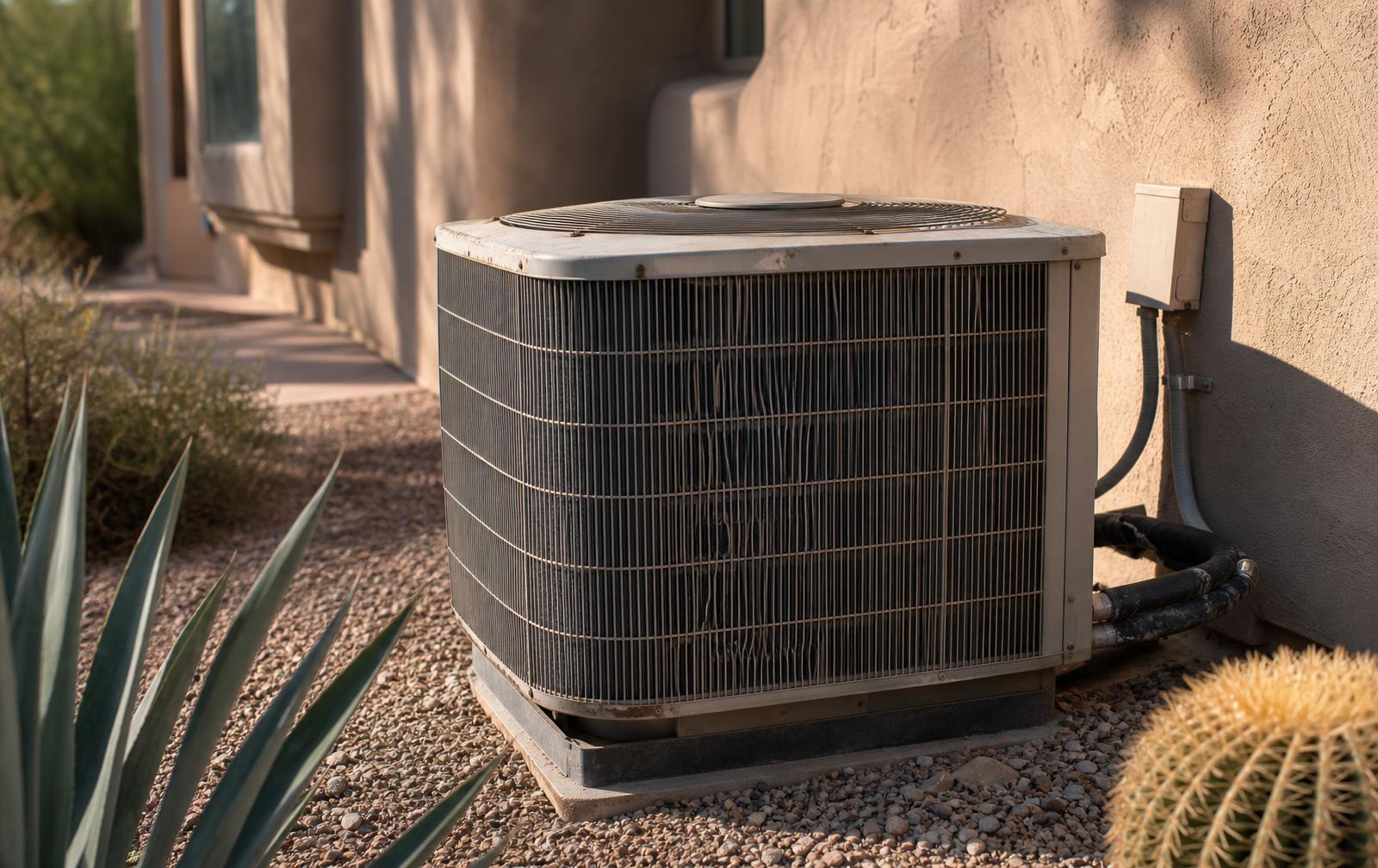
Third, dust. Phoenix dust and monsoon debris coat condenser coils and clog filters. A dirty coil forces higher head pressure, which shortens compressor life directly.
None of this is a reason to panic. It is a reason to know your unit's age and to keep it clean.
Lifespan by component
Run capacitor: 3 to 7 years in Phoenix. This is the single most common failure we replace, and heat is the reason.
Contactor: 5 to 10 years. Pitted contacts cause hard starts that stress everything downstream.
Condenser fan motor: 8 to 12 years.
Blower motor: 10 to 15 years.
Evaporator and condenser coils: 10 to 15 years, less if the coil is never cleaned or if it sits in a corrosive spot.
Compressor: 10 to 15 years, and this is the component that usually decides the fate of the system. When the compressor goes on an older unit, replacement is normally the better buy.
Ductwork: 20 to 25 years, though attic duct in the Valley often develops leaks and crushed sections well before that. Duct problems get blamed on the AC constantly.
Seven signs your unit is near the end
1. It is 12 years or older and has already needed two or more repairs in the past two seasons.
2. Summer electric bills keep climbing while your usage habits stay the same.
3. The house never quite reaches setpoint on the hottest afternoons even though the system runs nonstop.
4. Rooms that used to feel even now have a five degree spread between them.
5. The unit uses R-22 refrigerant. R-22 is phased out, so leak repairs on those systems get expensive fast.
6. You hear new grinding, screeching, or hard clunking at startup.
7. The compressor has already failed once, or a tech has told you the coil is leaking.
Repair versus replace: the cost math
The rule of thumb most contractors use is simple. Multiply the age of the unit in years by the quoted repair cost. If the result is more than about 5,000, replacement is usually the better financial decision.
Example: a 6 year old unit needing an 800 dollar fan motor gives you 4,800. Repair it. A 14 year old unit needing a 2,600 dollar compressor gives you 36,400. Replace it.
The rule is a starting point, not gospel. Two other factors matter here. If the system is R-22, weight the decision toward replacement. And if you plan to sell within two years, a working repair often makes more sense than a new system you will not enjoy.
Efficiency is the third factor. A 15 year old 10 SEER unit replaced with a modern high efficiency system typically cuts cooling costs meaningfully in a climate that runs the equipment as many hours as ours does. Ask for the actual load calculation, not a guess based on square footage.
Phoenix AC replacement cost in 2026
Typical Valley ranges for a full residential system replacement, including equipment, labor, permit, and haul away:
Standard efficiency 3 ton split system: 8,500 to 11,500.
High efficiency variable speed 3 ton system: 12,500 to 18,000.
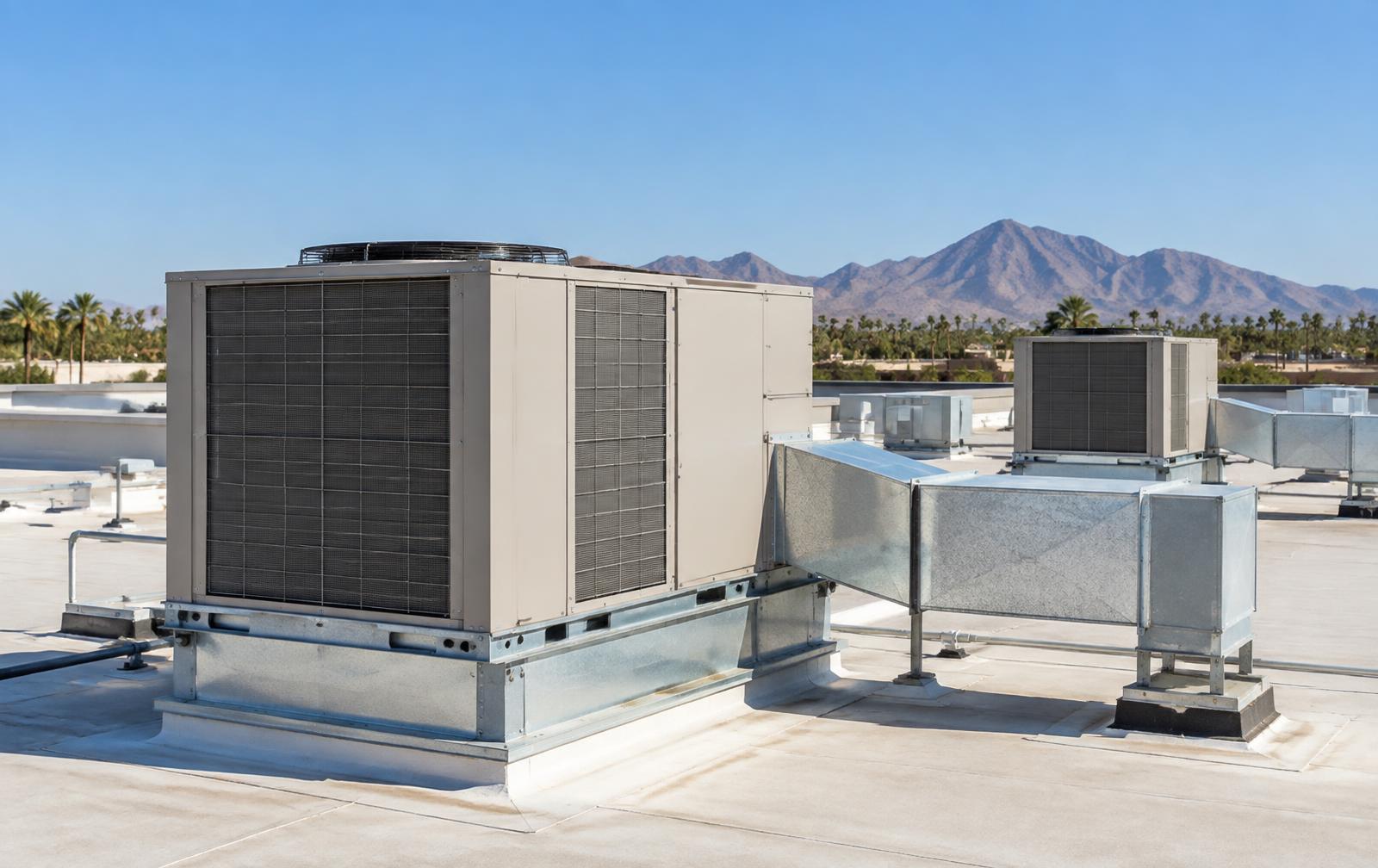
Packaged rooftop unit for a home: 9,500 to 15,000.
Condenser only replacement, where the coil and air handler are still healthy and matched: 5,500 to 8,500.
Price varies with tonnage, attic access, duct condition, electrical work, and whether the existing line set can be reused. Any quote given over the phone without seeing the equipment is a guess. Our estimates on replacement are free and in writing.
For a straightforward repair instead, see our AC repair breakdown in the guide on what to do when your AC is not cooling.
How maintenance buys you years
The difference between a 10 year unit and a 16 year unit in Phoenix is almost entirely maintenance. Three habits do most of the work.
Change the filter every 30 to 60 days during cooling season. A restricted filter starves airflow, freezes the evaporator coil, and drives up compressor load.
Rinse the condenser coil each spring before the heat arrives. Valley dust builds a felt layer on the fins that acts like insulation on the part whose entire job is shedding heat.
Get a professional tune up once a year. A tech checks refrigerant charge, capacitor value, contactor condition, amp draw, and drain line. Catching a weak capacitor in March costs a fraction of what it costs when it strands you in July.
Our maintenance plans bundle those visits with priority scheduling, and our AC tune up special is 59 dollars.
Commercial equipment: RTUs and packaged units
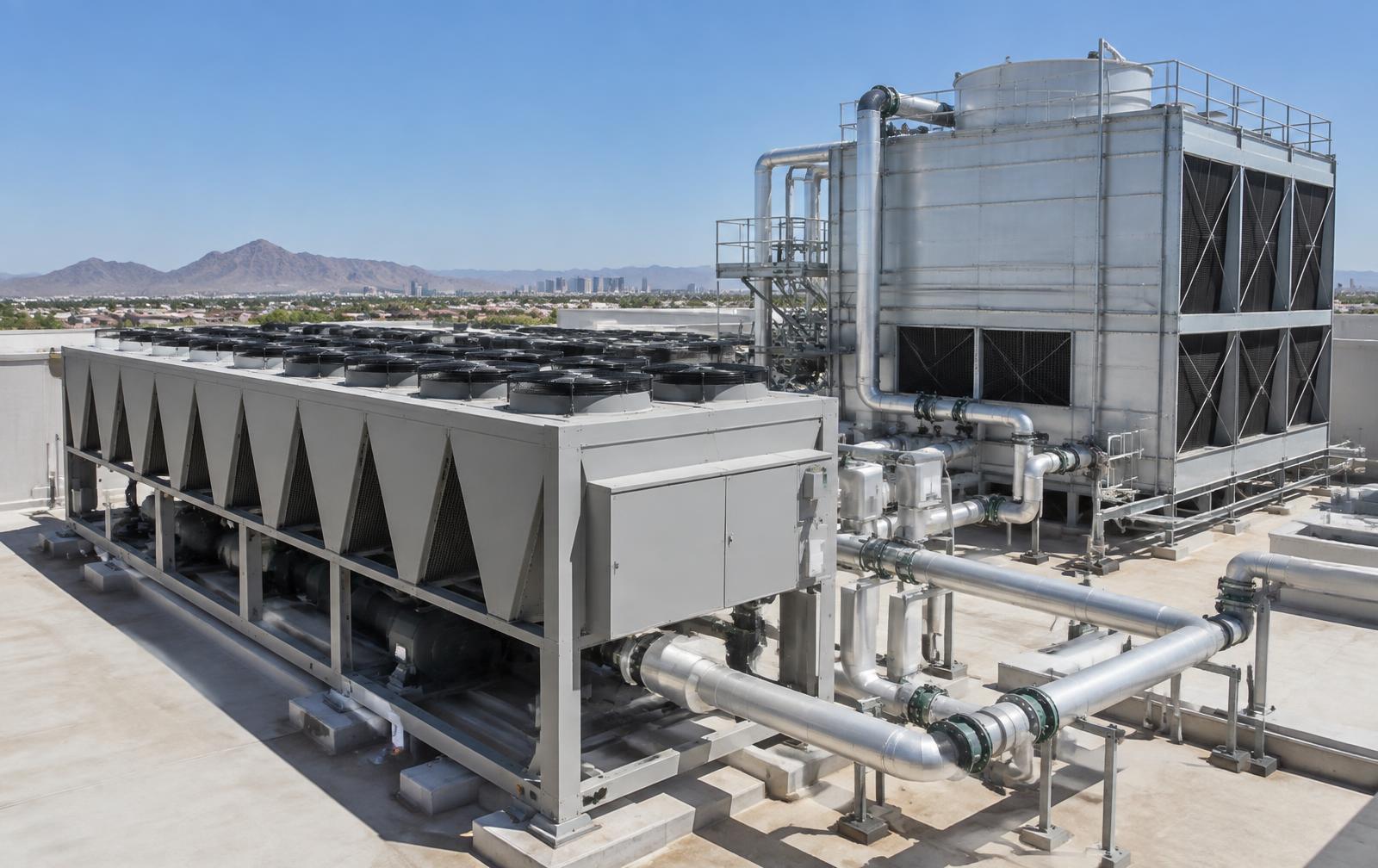
Rooftop units on Valley commercial buildings typically last 12 to 18 years, and the spread is wider than residential because usage varies so much. A restaurant RTU pulling grease laden air ages very differently from an office unit on a 5 day schedule.
For facility managers, the useful planning number is not lifespan but replacement reserve. Once an RTU passes year 10, annual repair spend tends to climb and unplanned downtime risk rises with it. Budgeting a phased replacement across a fleet beats emergency replacement in August at premium pricing.
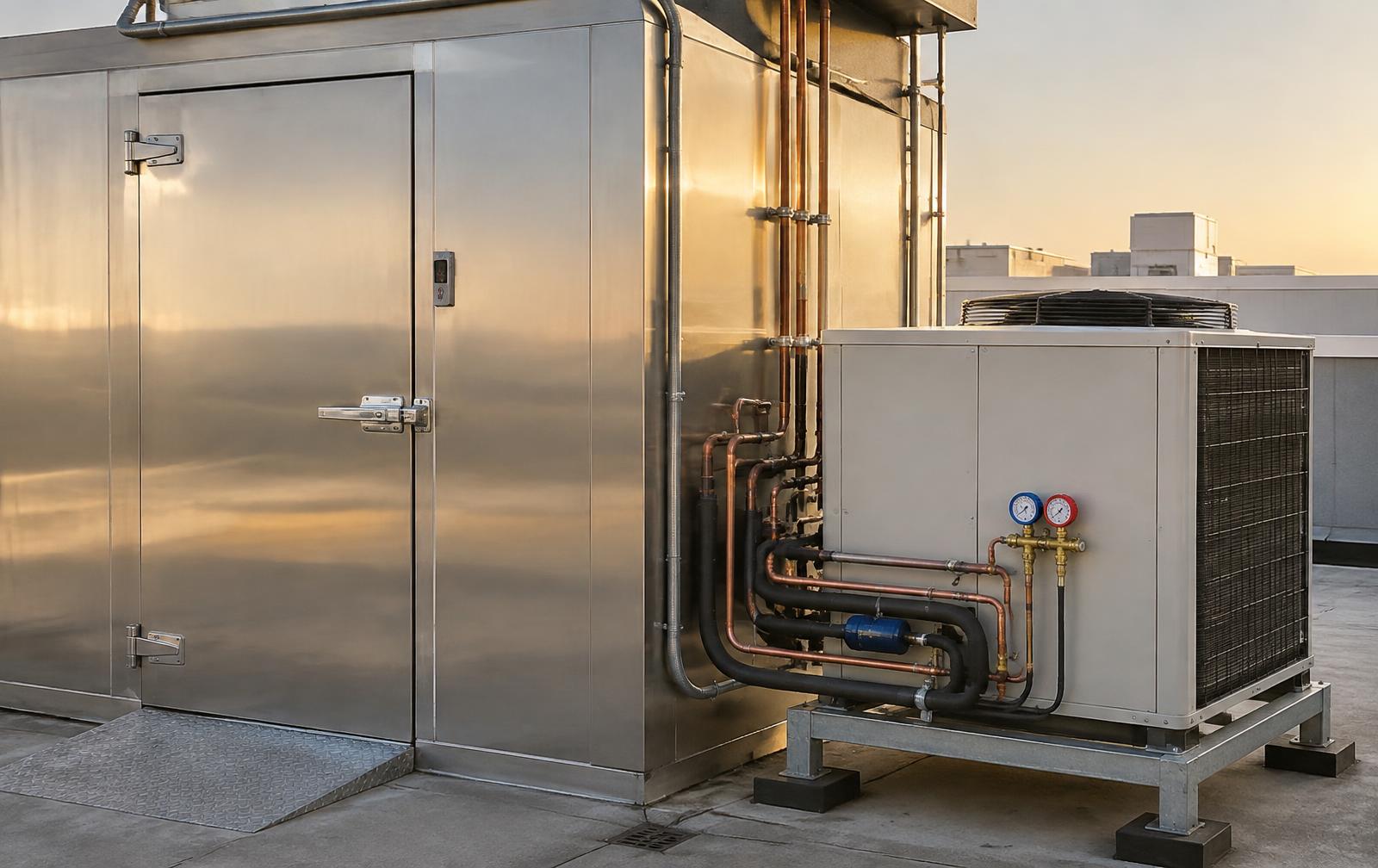
We handle chillers, boilers, RTUs, and controls on the commercial side and can build a condition assessment for an entire fleet if you need one for a capital plan.
What to do next
Find the manufacture date. It is usually encoded in the serial number on the data plate of the outdoor unit, and most manufacturers publish a decoder. If the unit is under 10 years, plan on maintenance. Between 10 and 15, start budgeting. Past 15, get an assessment before the next failure picks the timing for you.
If you want a second opinion on a replacement quote you already have, call us. We will tell you honestly whether the repair path still makes sense.
Need a Phoenix tech today?
Talk to a real Valley dispatcher - same-day appointments and live answer 24/7.